A PRAIRIE WITH NINE ROOMS
A PRAIRIE WITH NINE ROOMS
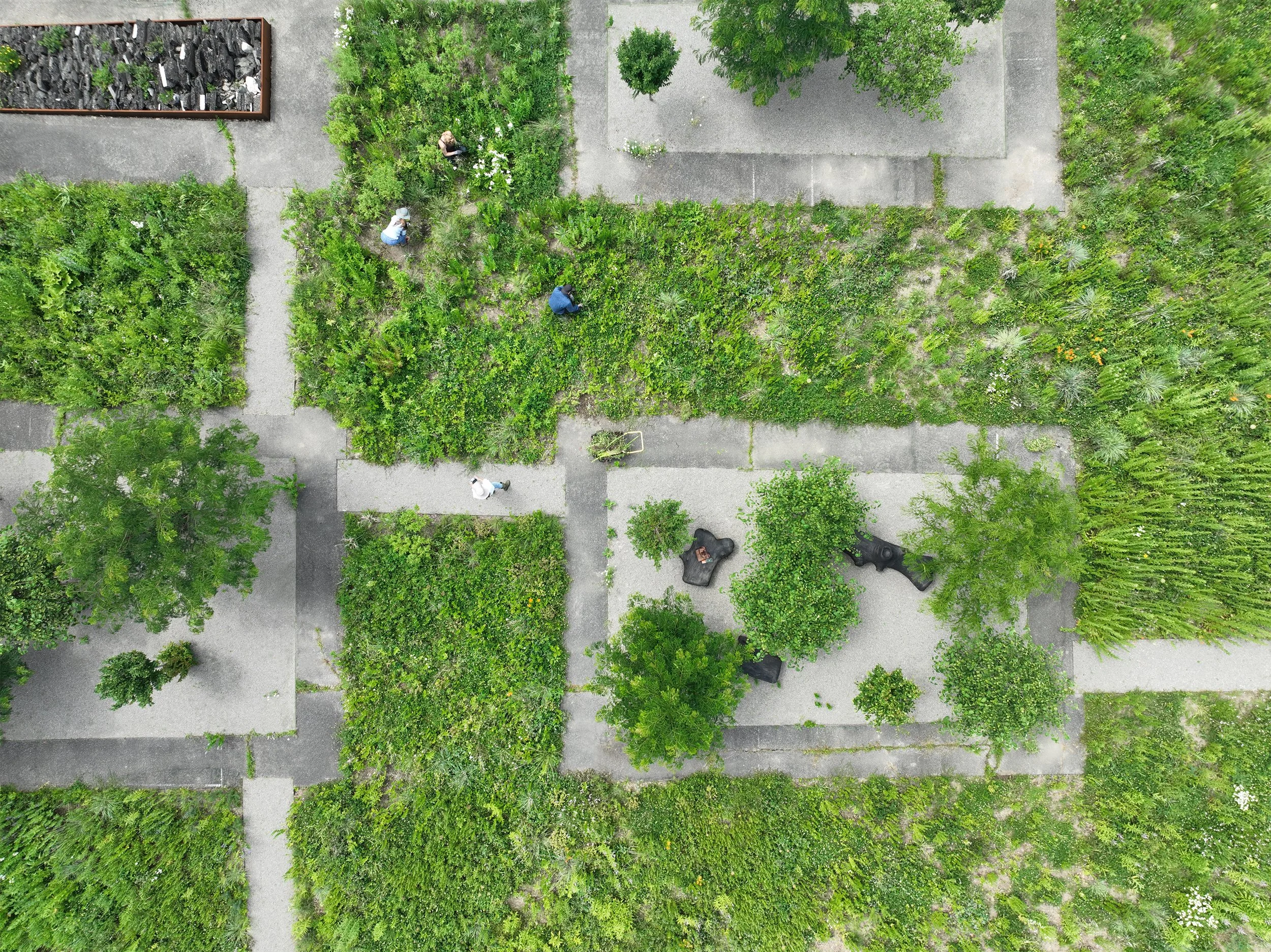
Pulling Ragweed, June 2026
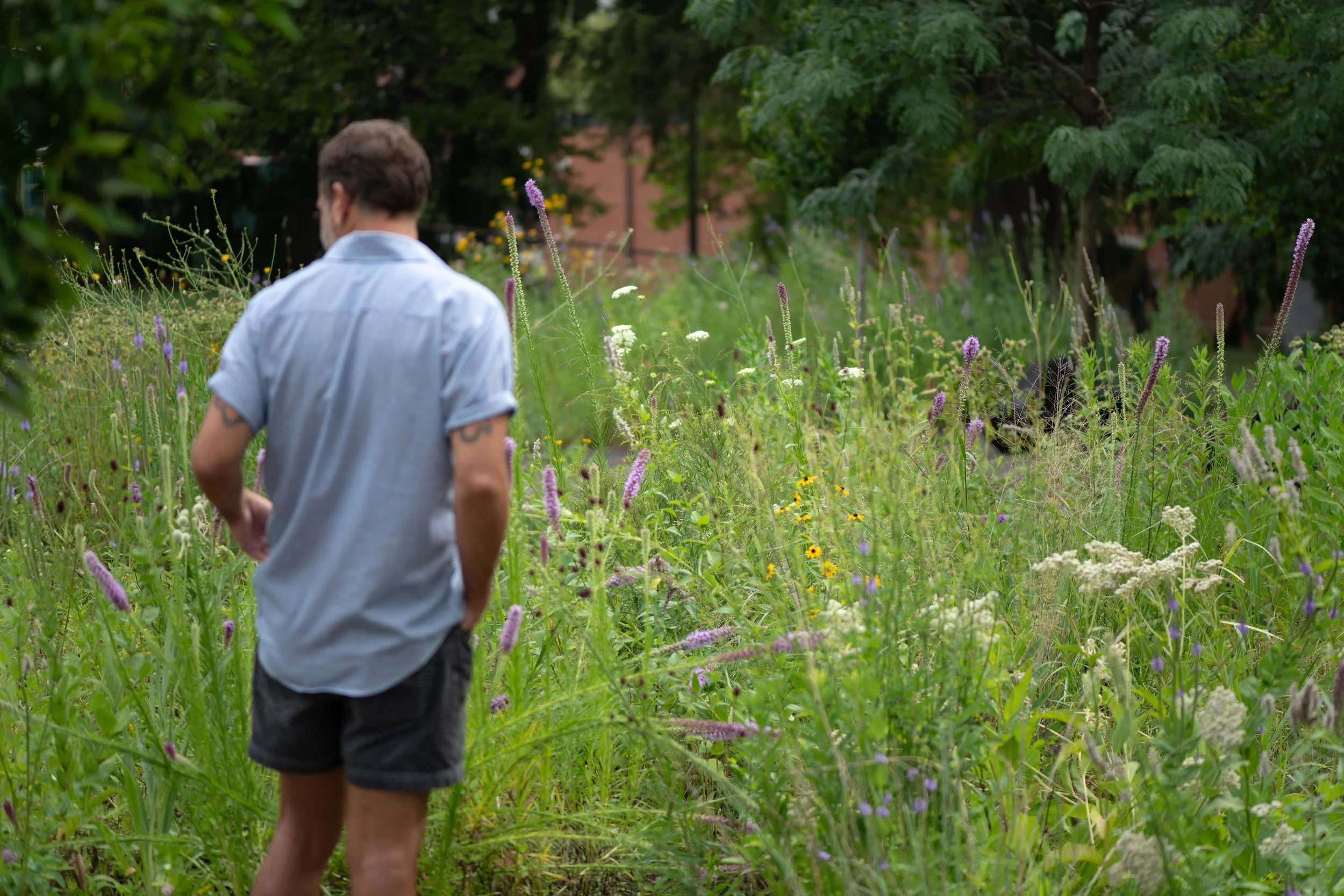
Less pavement. More prairie.
A Prairie with Nine Rooms—under construction on Ohio State’s main campus—pilots low-cost, low-maintenance ways of turning asphalt sites into species-rich spaces for human and more-than-human communities.
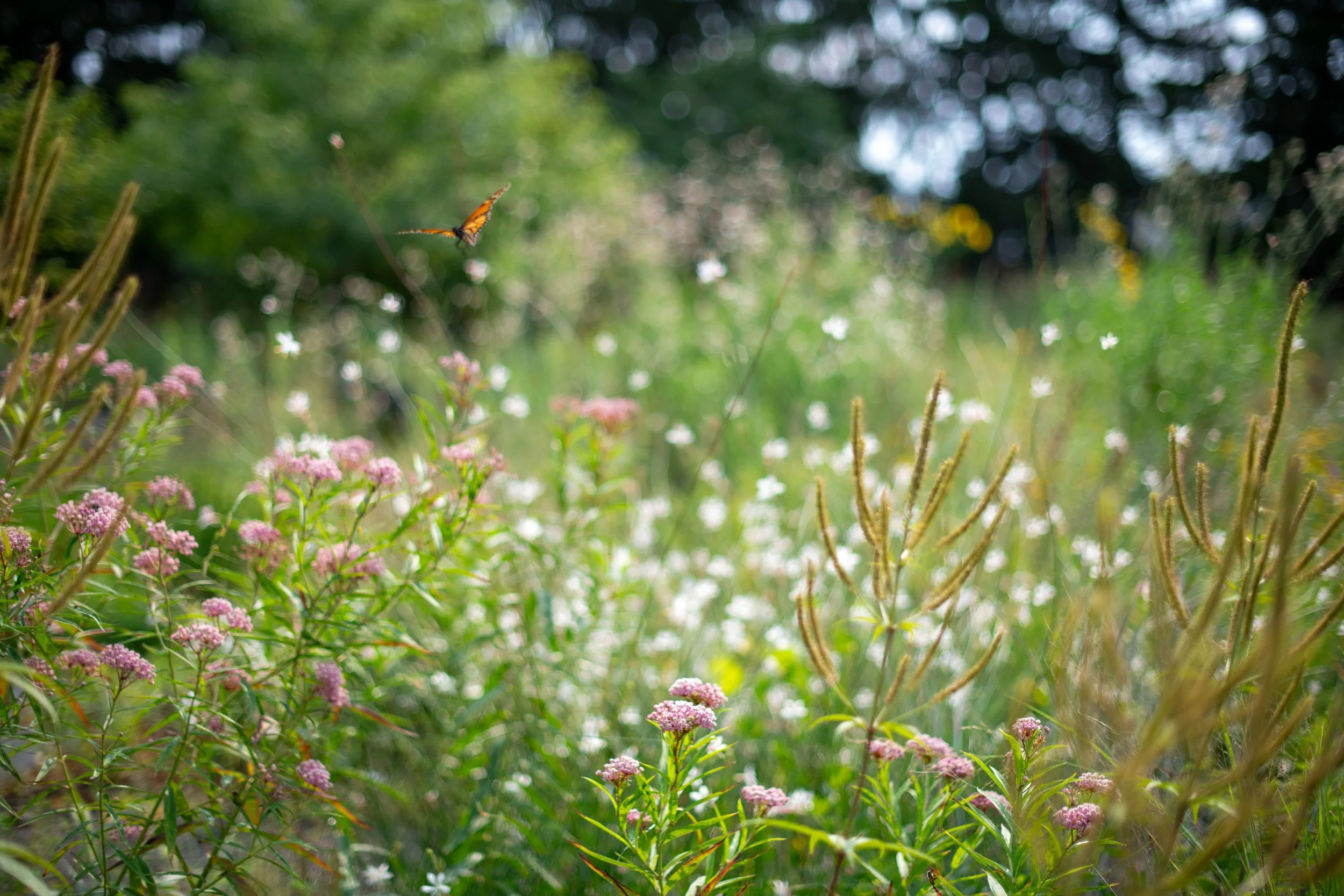
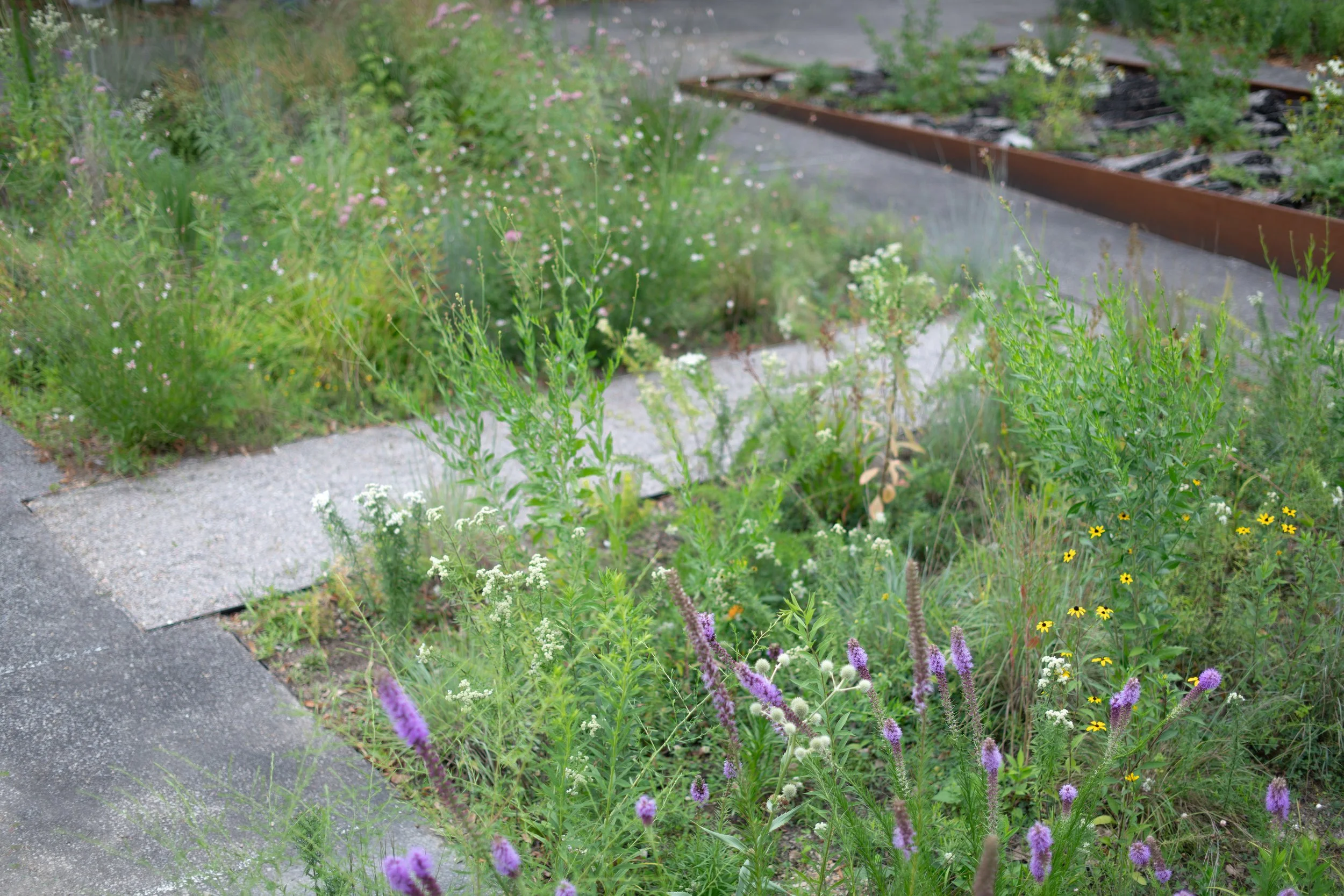
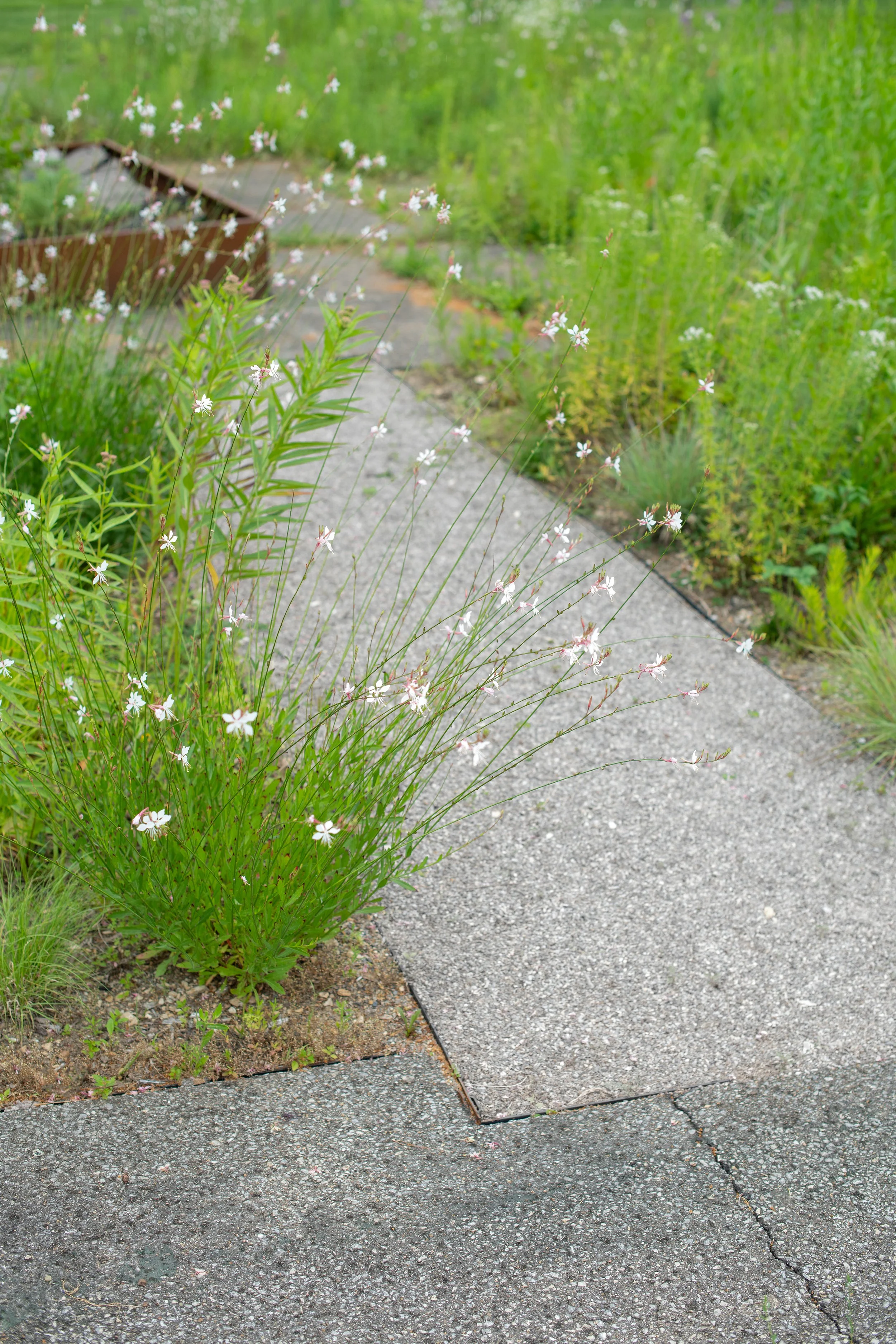
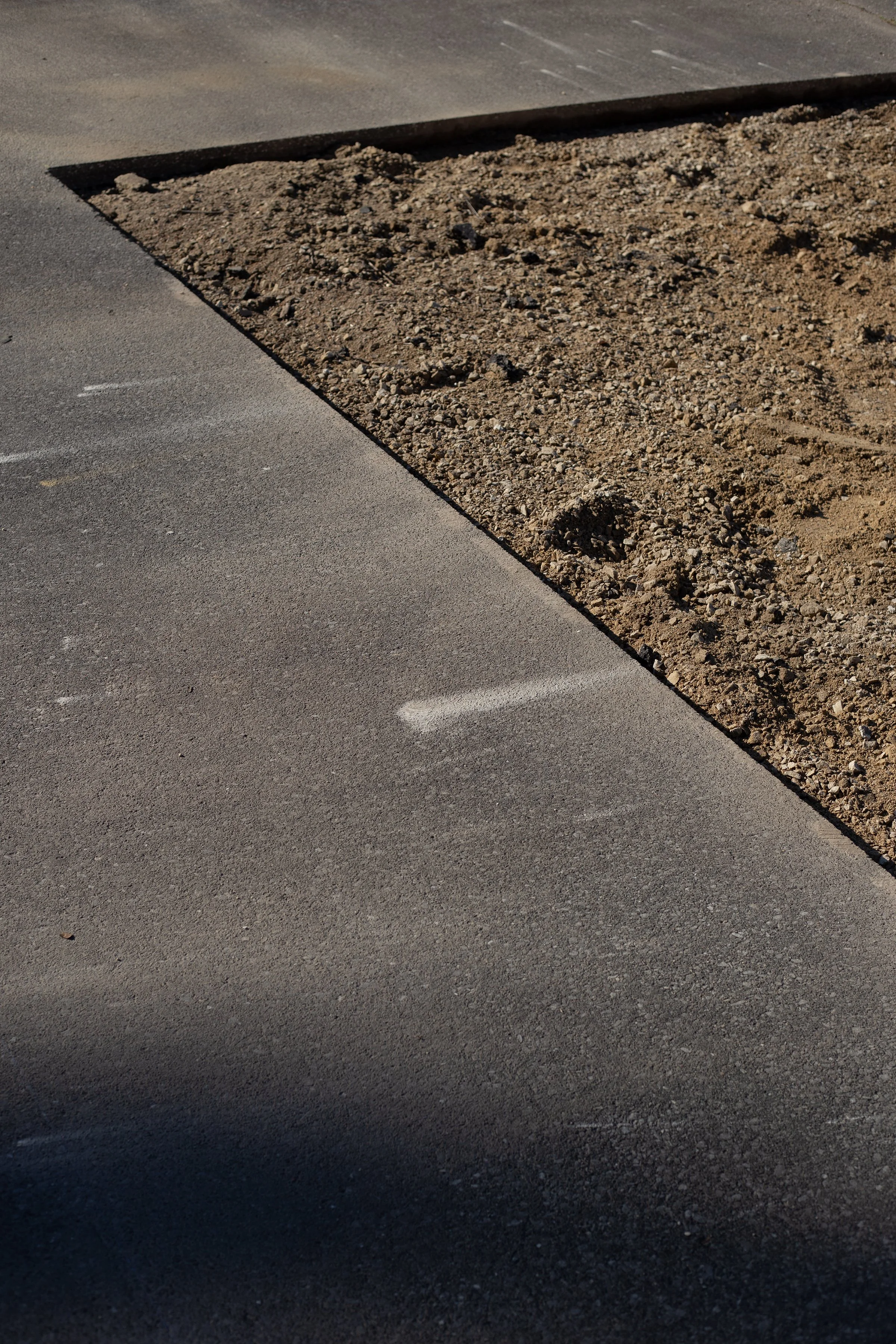
More than two-thirds of the original asphalt is excavated while the remaining hardscape becomes site circulation. Prairie plants improve the architecture of the uncovered soil, turning the site into a stormwater sponge.
Asphalt removal begins, October 2024.
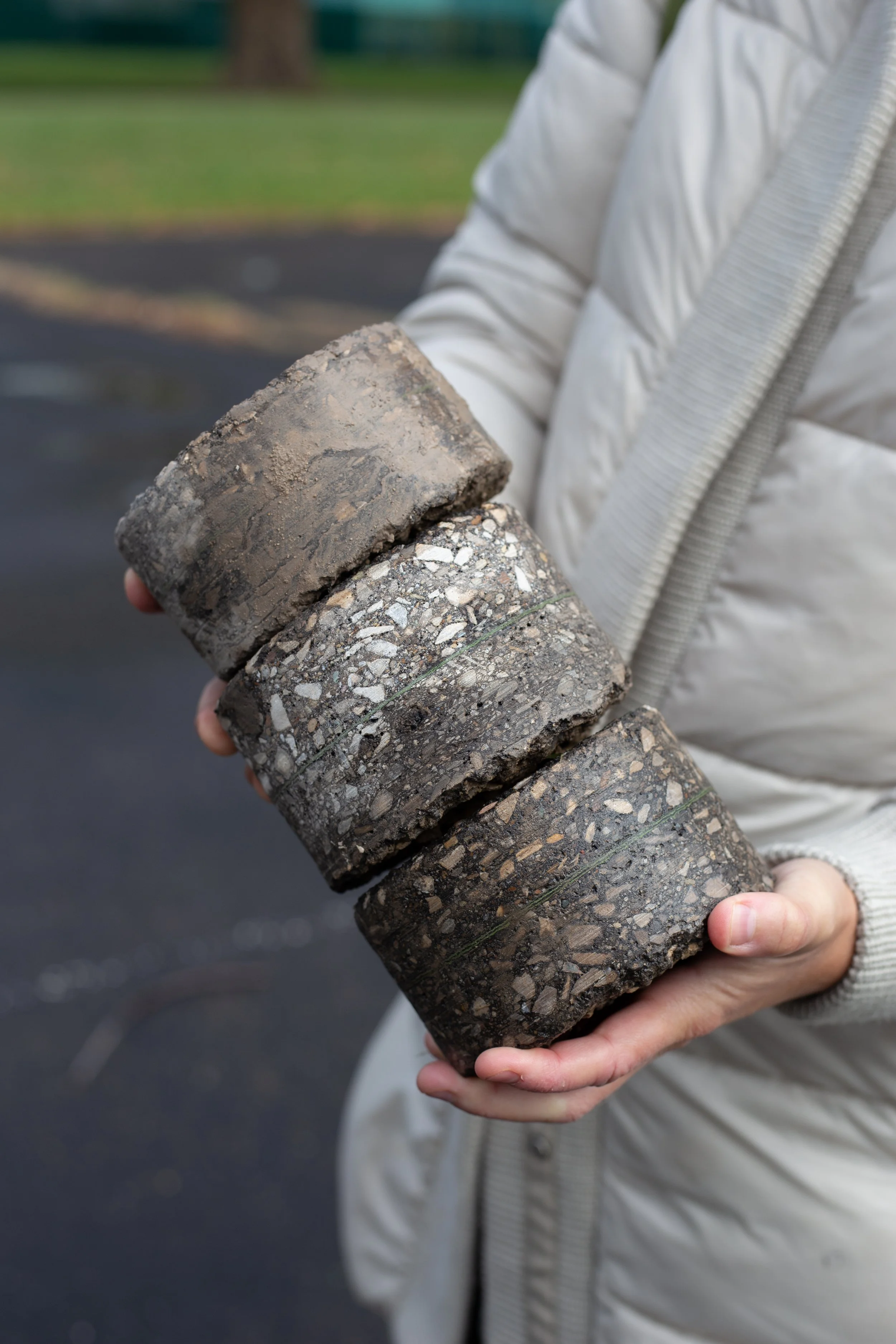
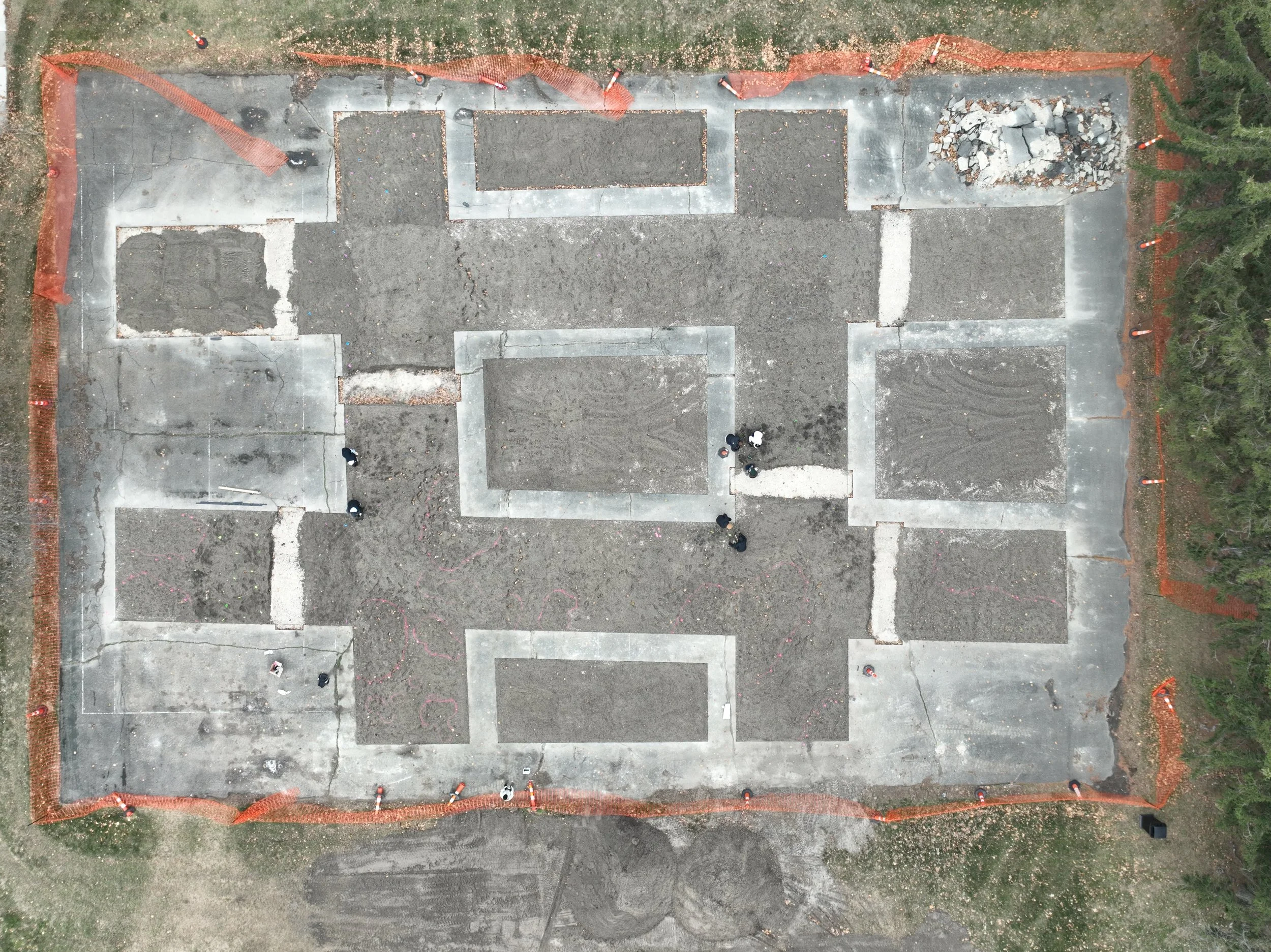
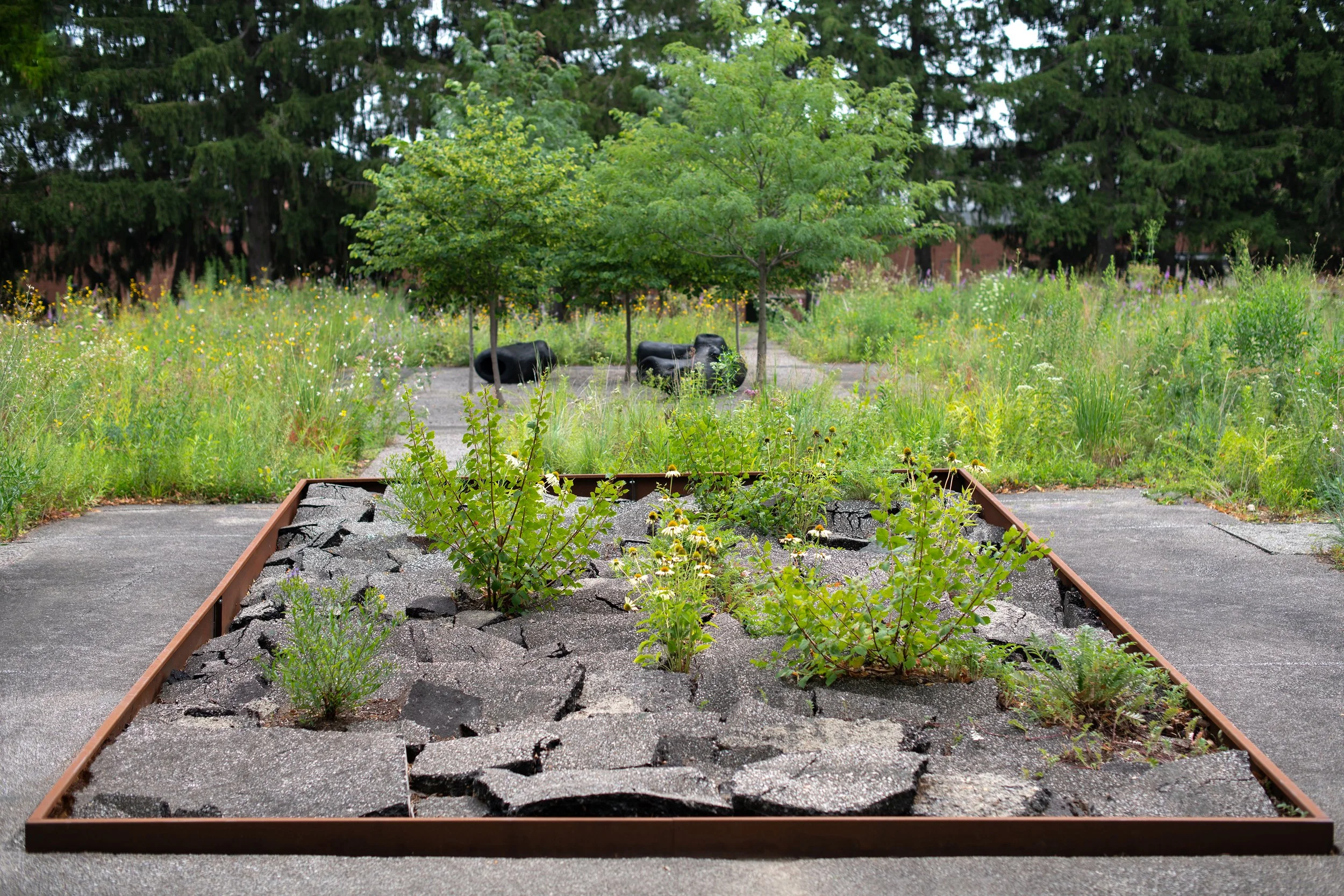
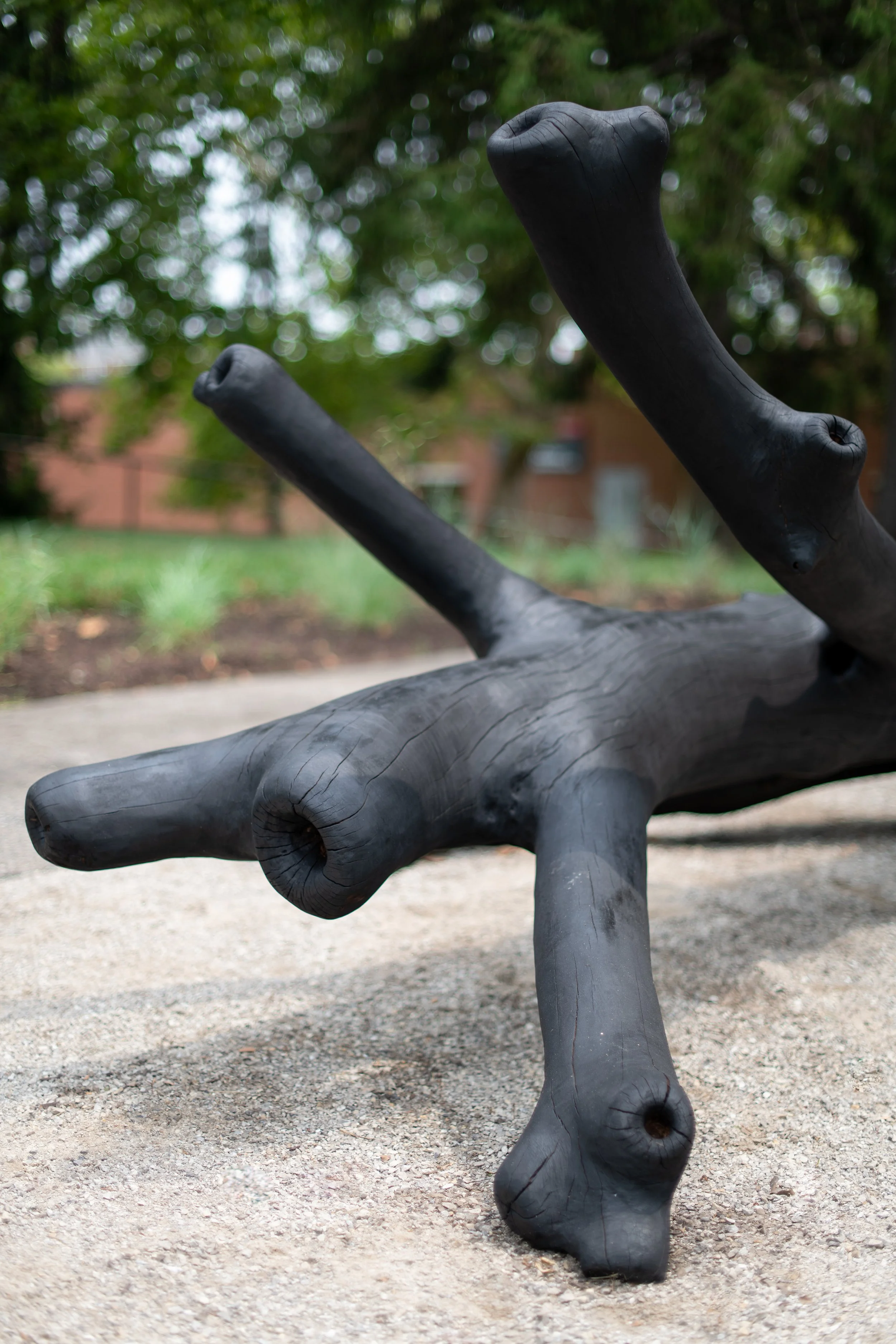
Four eighteen-foot wide swathes of prairie plants carve an unloved half-acre asphalt site into nine rooms: four gravel bosques, three corner rooms with charred wood seating and sculpture, and two spaces holding experimental planters filled with excavated asphalt, soil, flowering forbs and grasses.
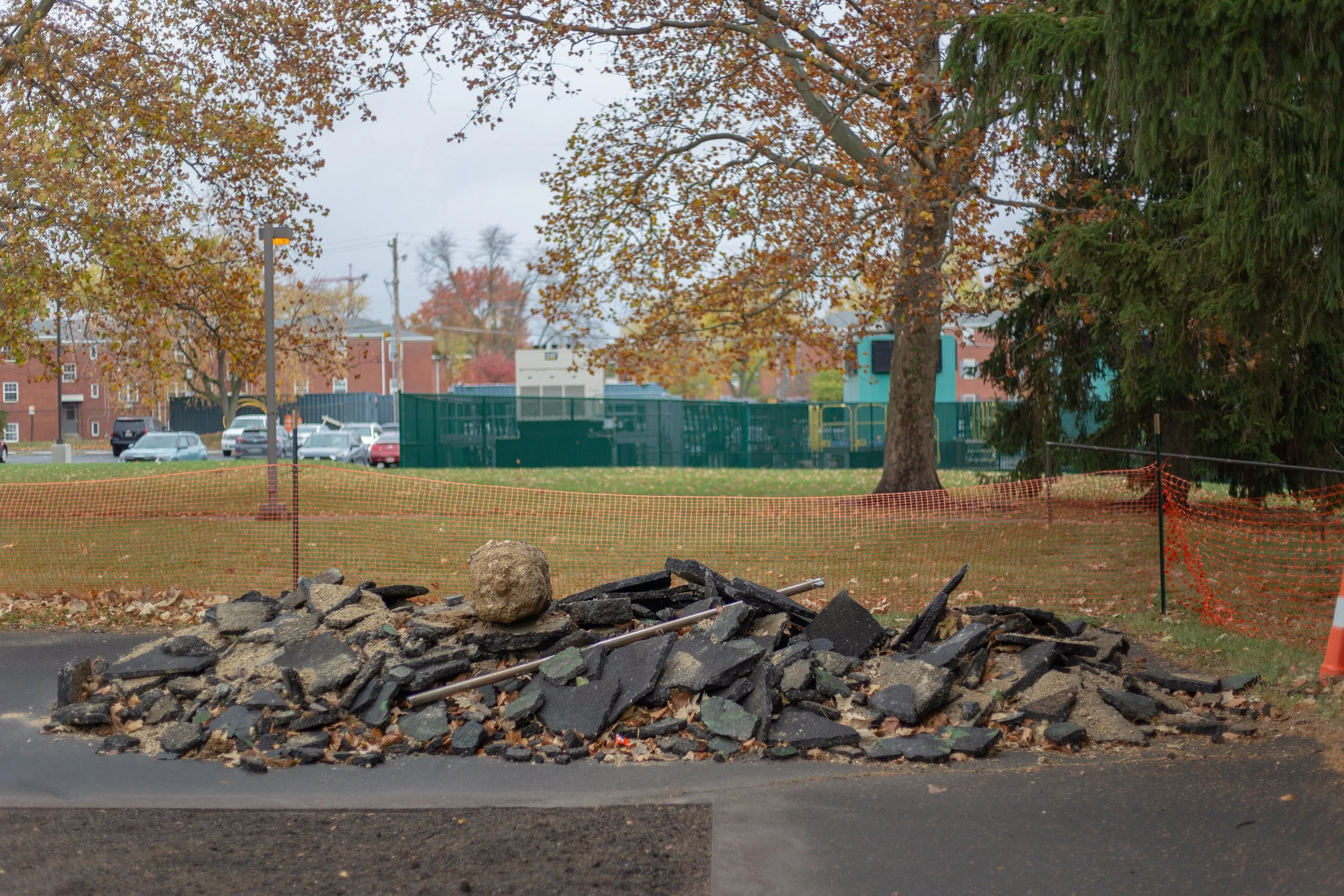
Heaps of asphalt excavated during construction are reimagined as mineral substrate for two experimental planters. One, long and narrow, is packed densely with asphalt chunks standing on end.
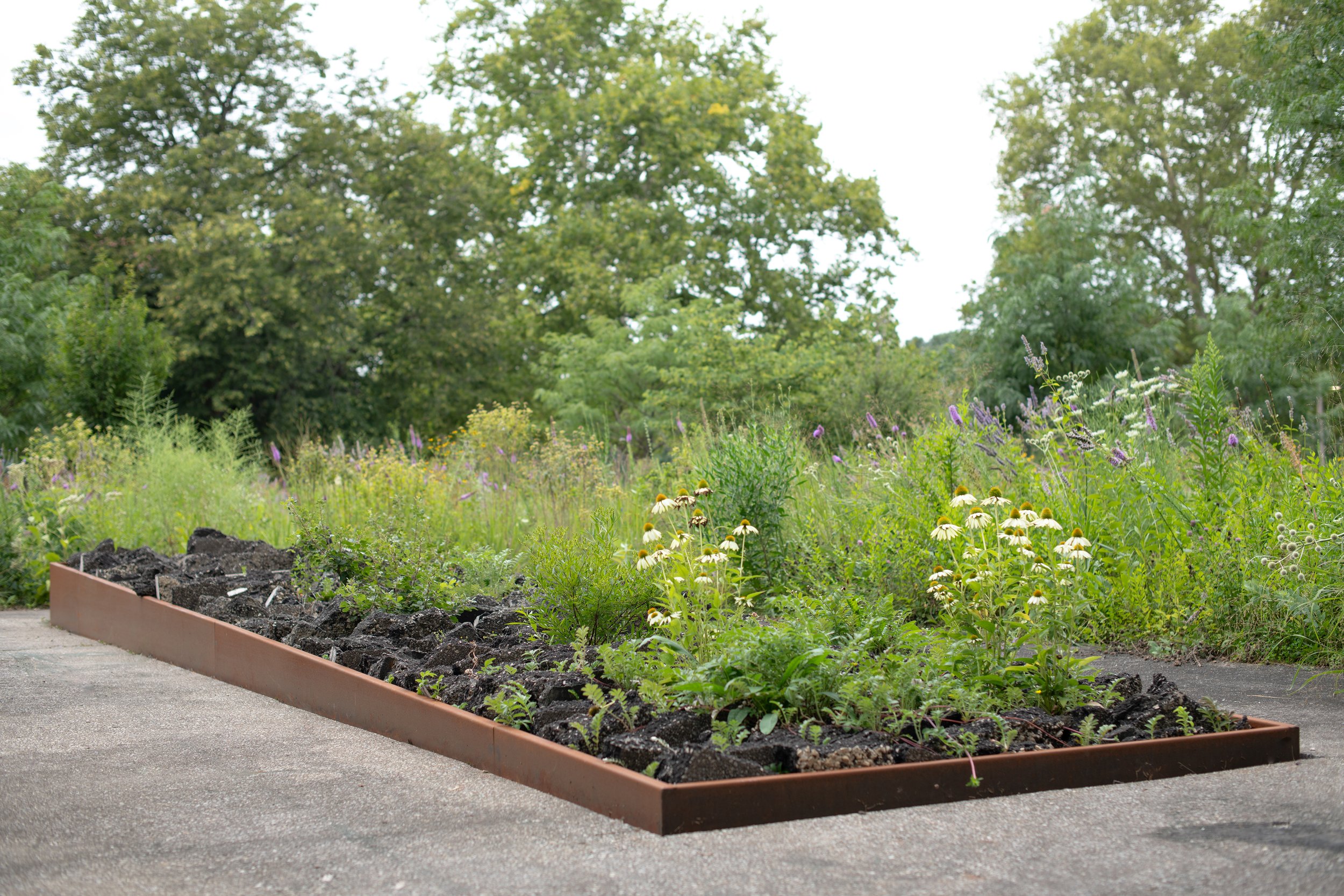
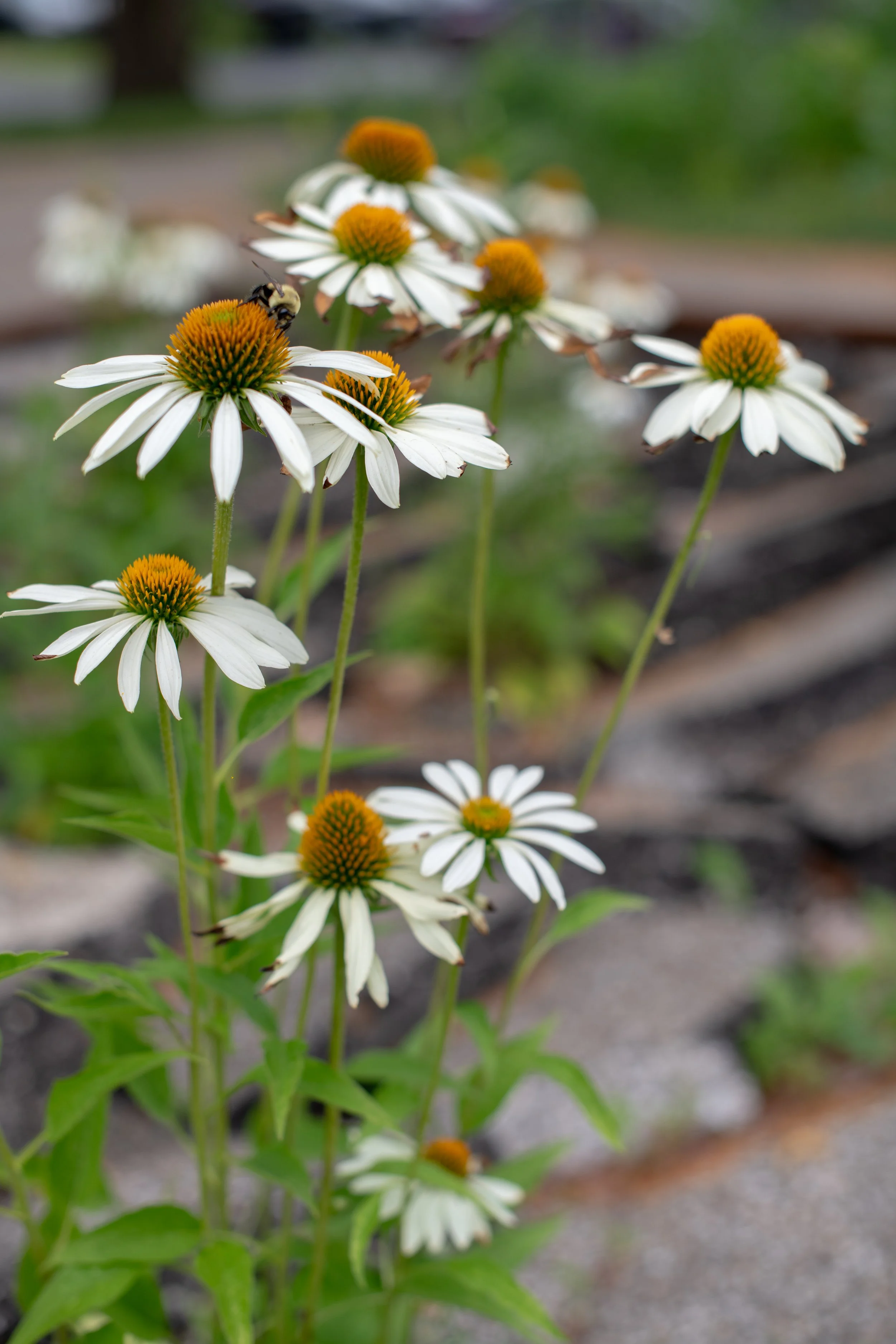
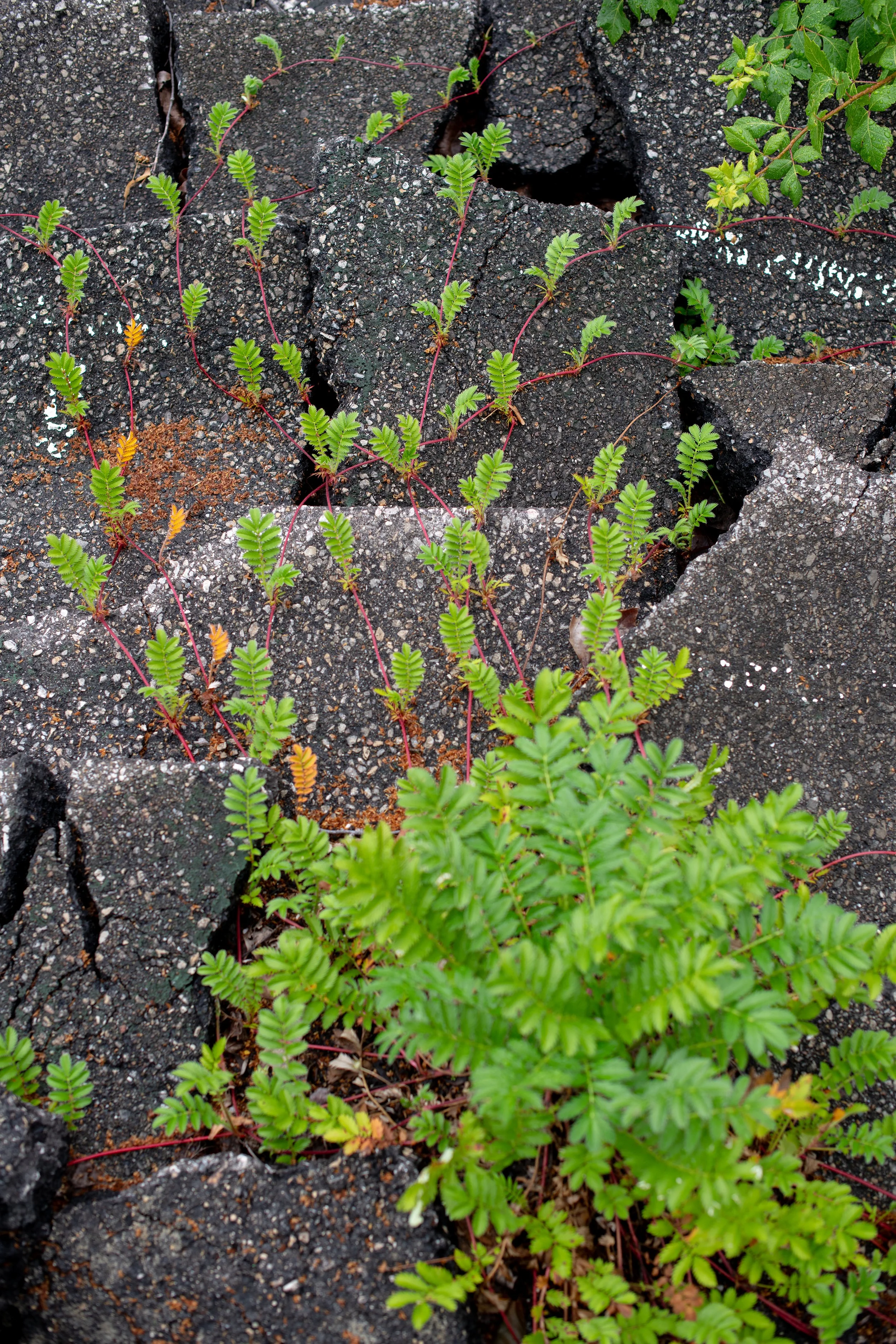
The plant species are disturbance adapted, drought tolerant, heat tolerant, and prefer a (very) well-drained site. They include two types of Rhus aromatica (Sumac), Argentina anserina (Silverweed), Antennaria plantaginifolia (Mouse ears), and Hypericum kalmianum 'Gemo' (Kalm's St Johns Wort).
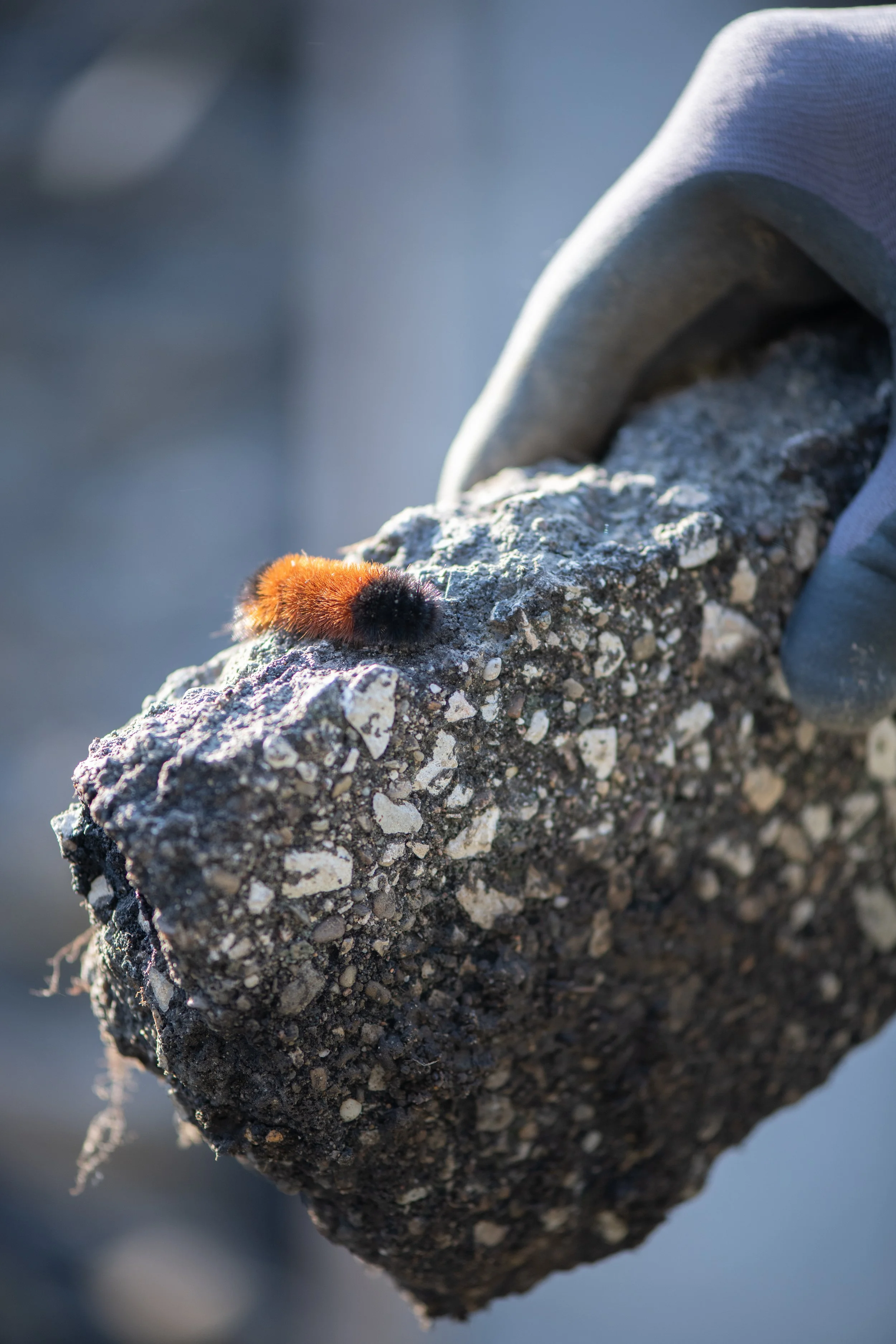
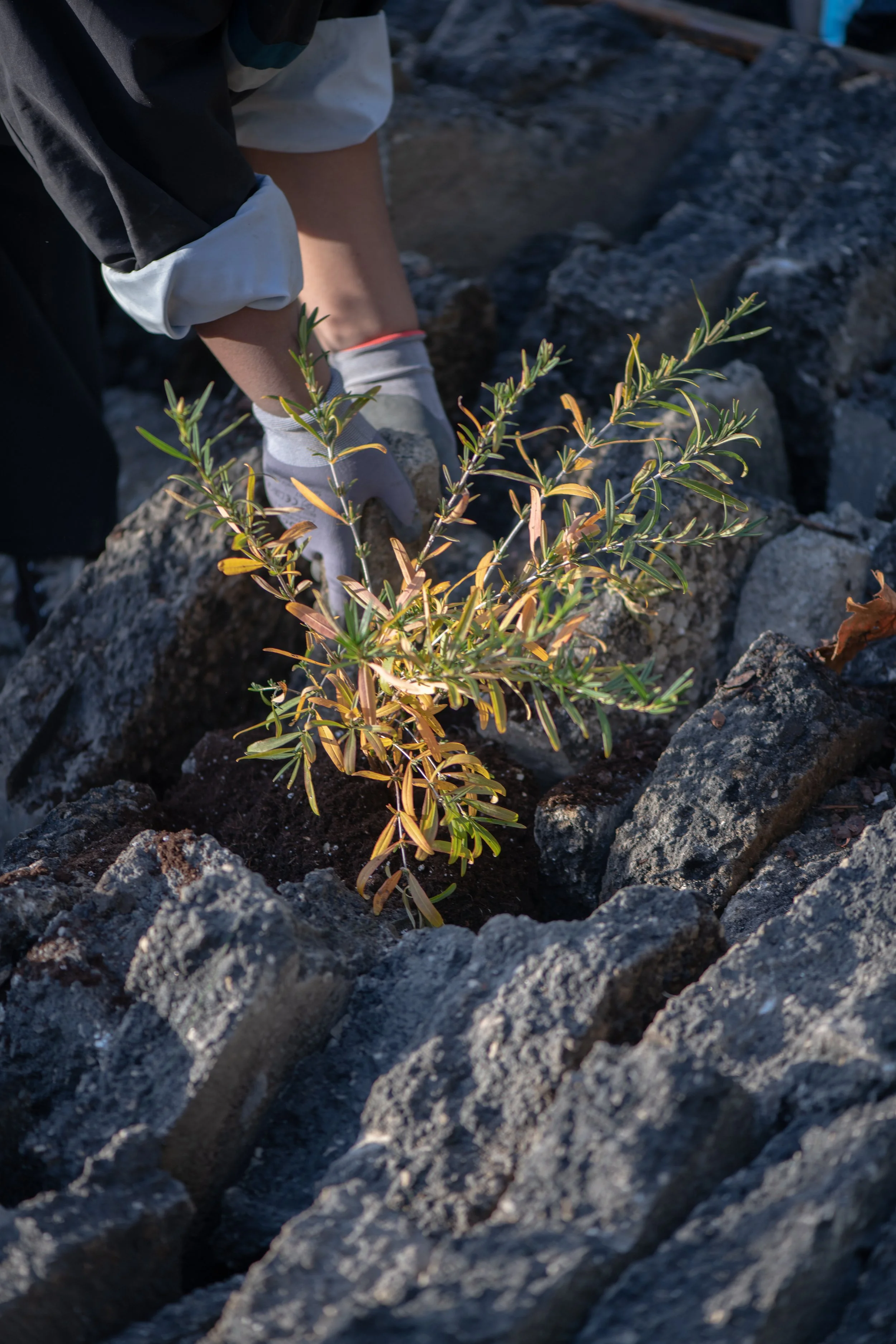
In a second planter, wide and low, the largest asphalt slabs are laid like slate tiles, with plants rooting into the deep, lateral crevices that result.
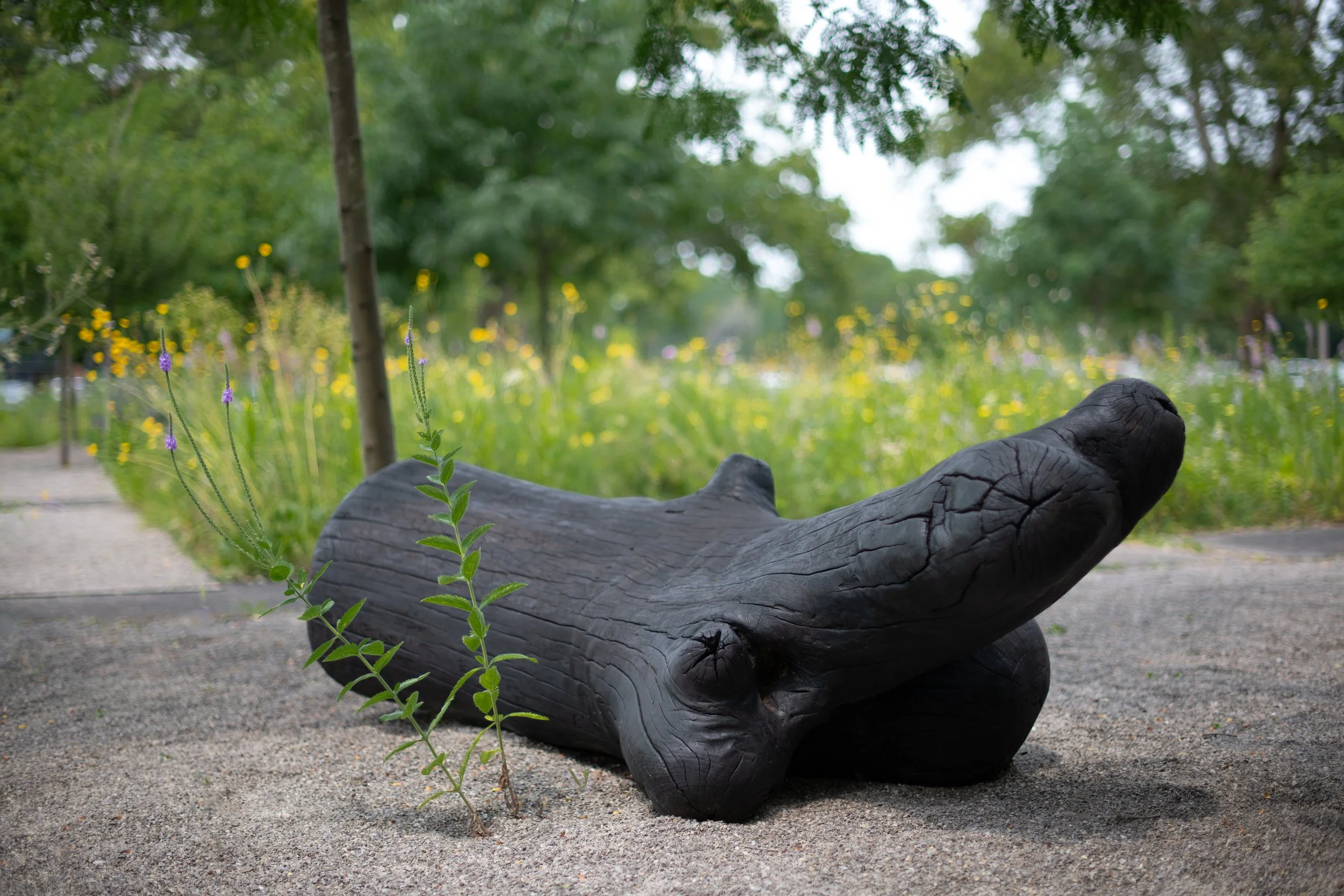
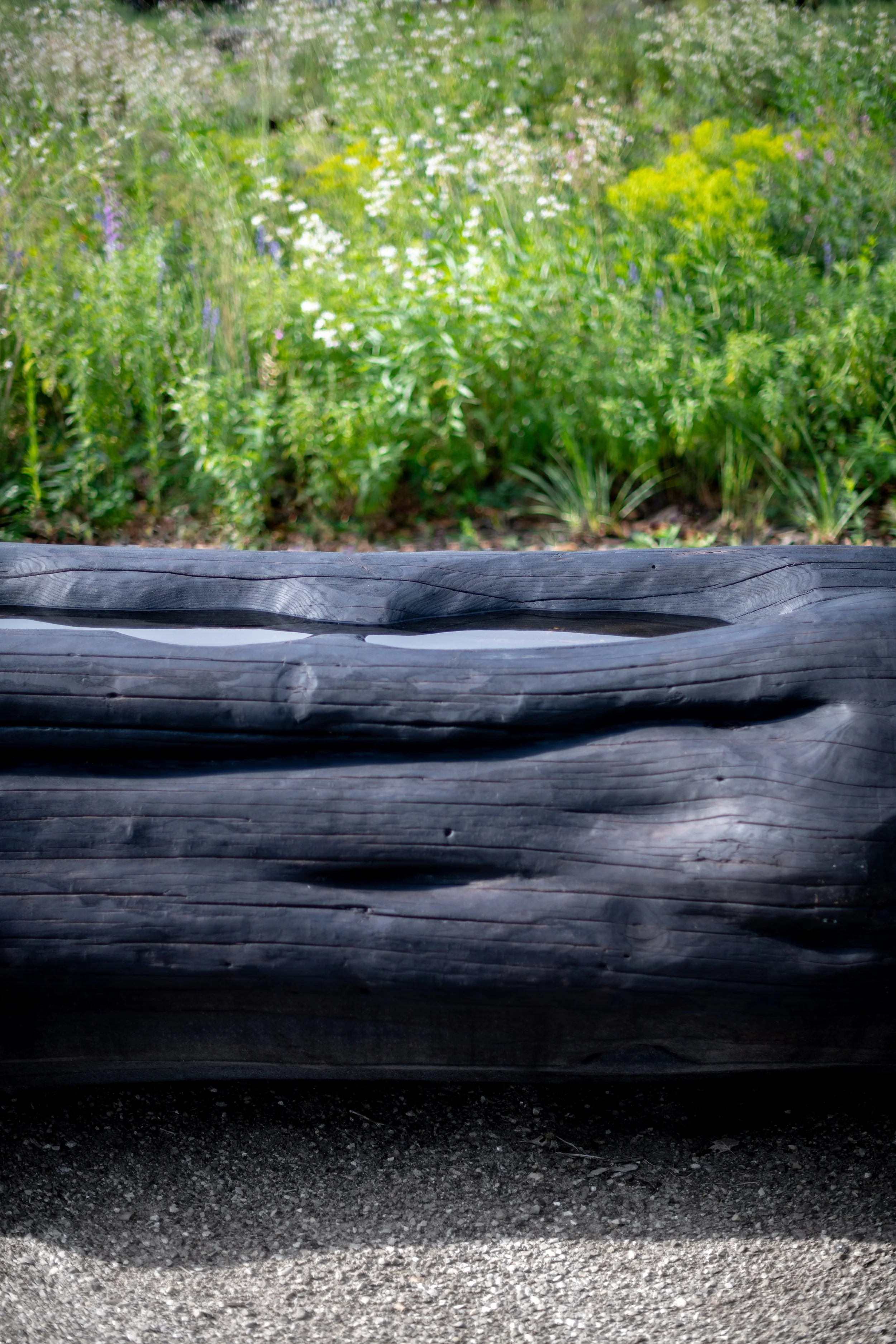
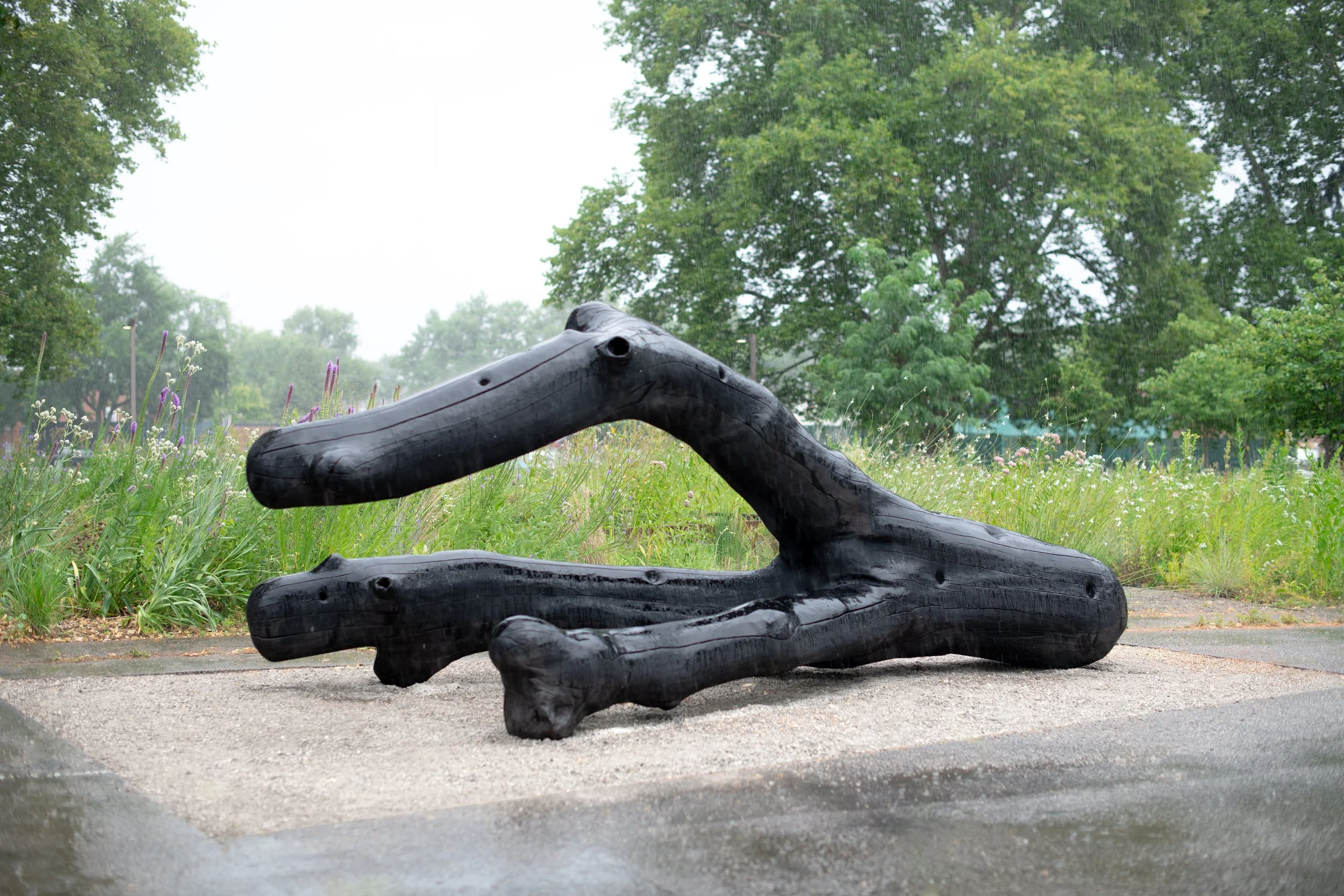
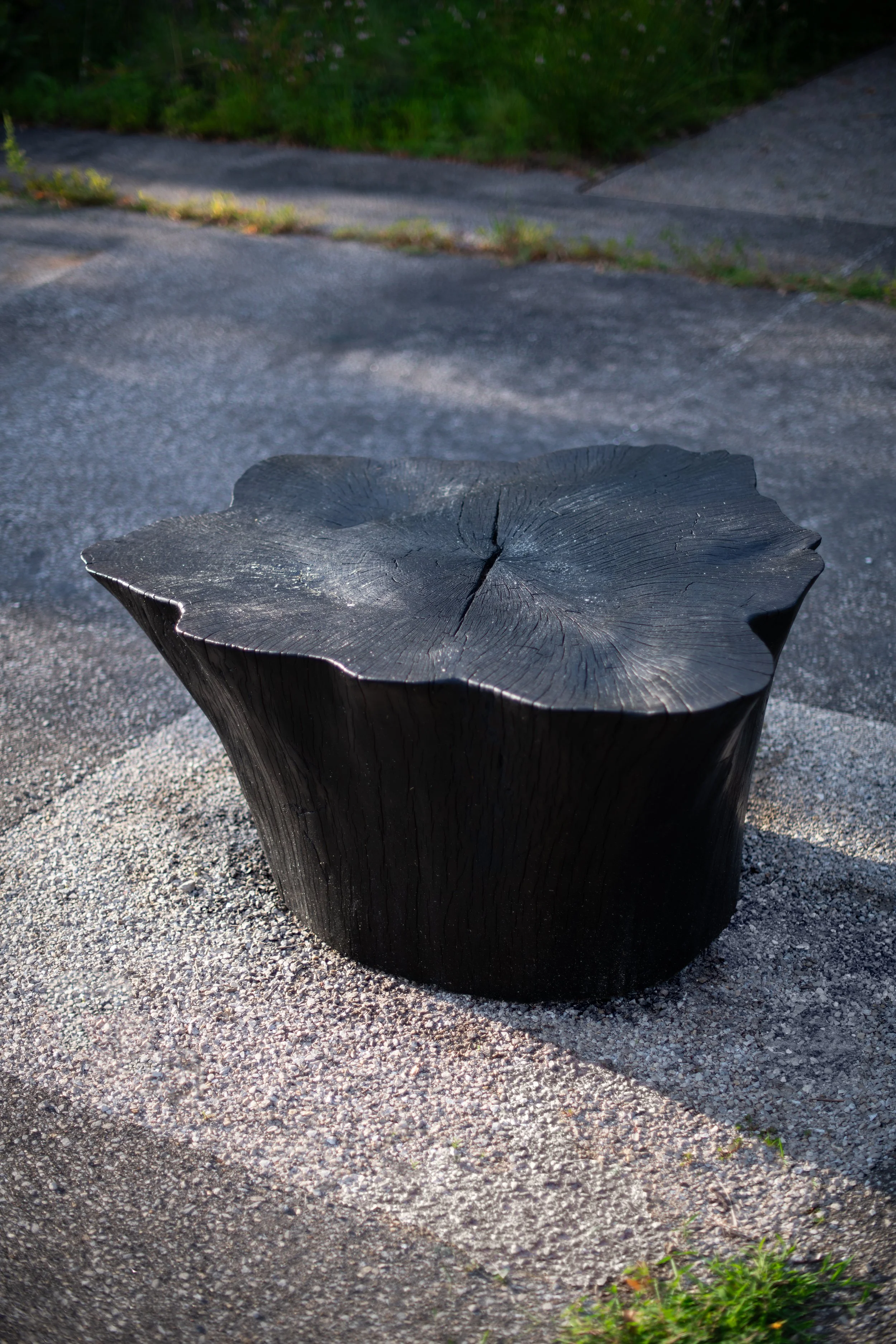
Eleven charred wood objects sculpted from trees felled on OSU’s campus furnish the site. More to come…
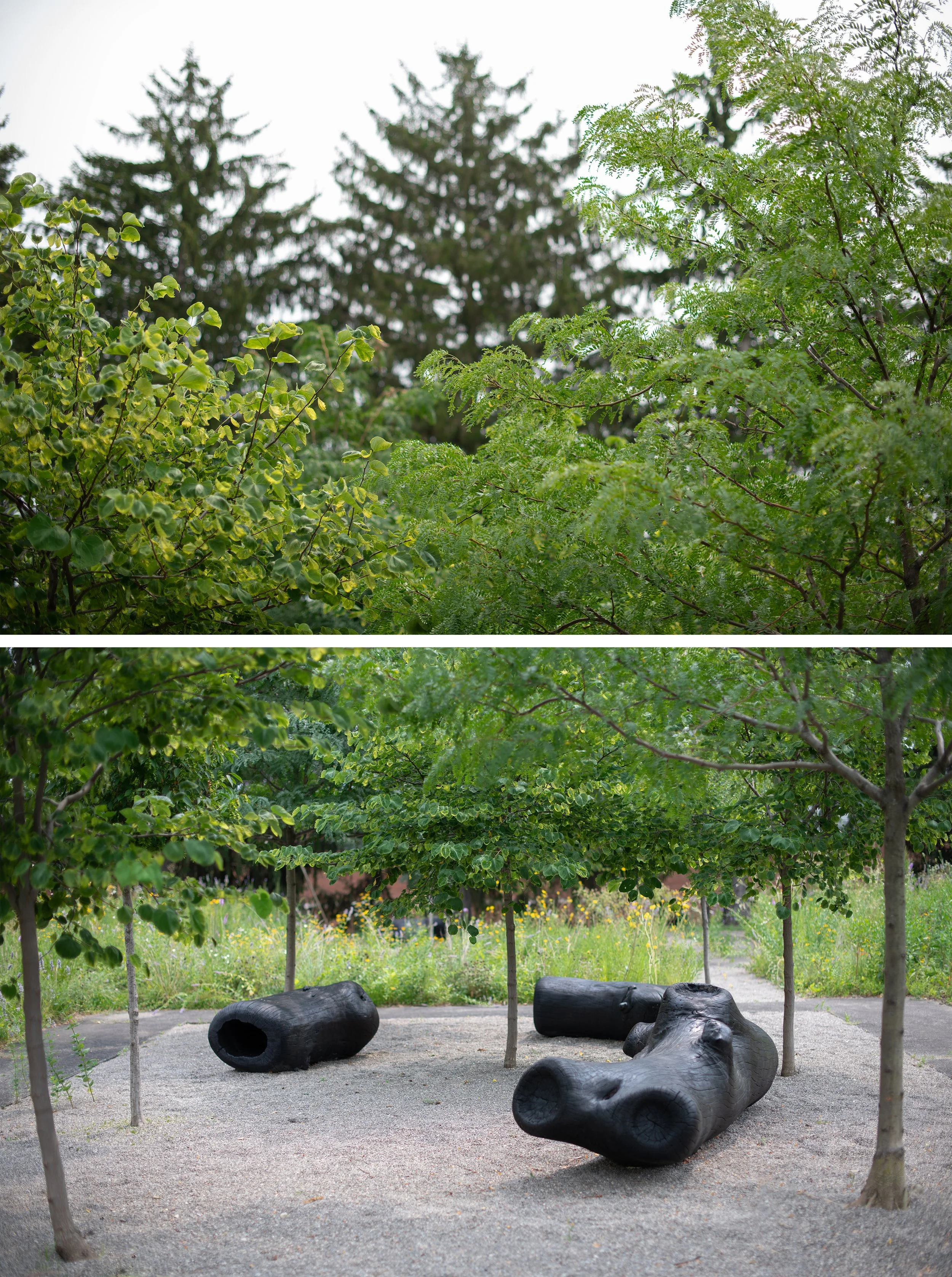
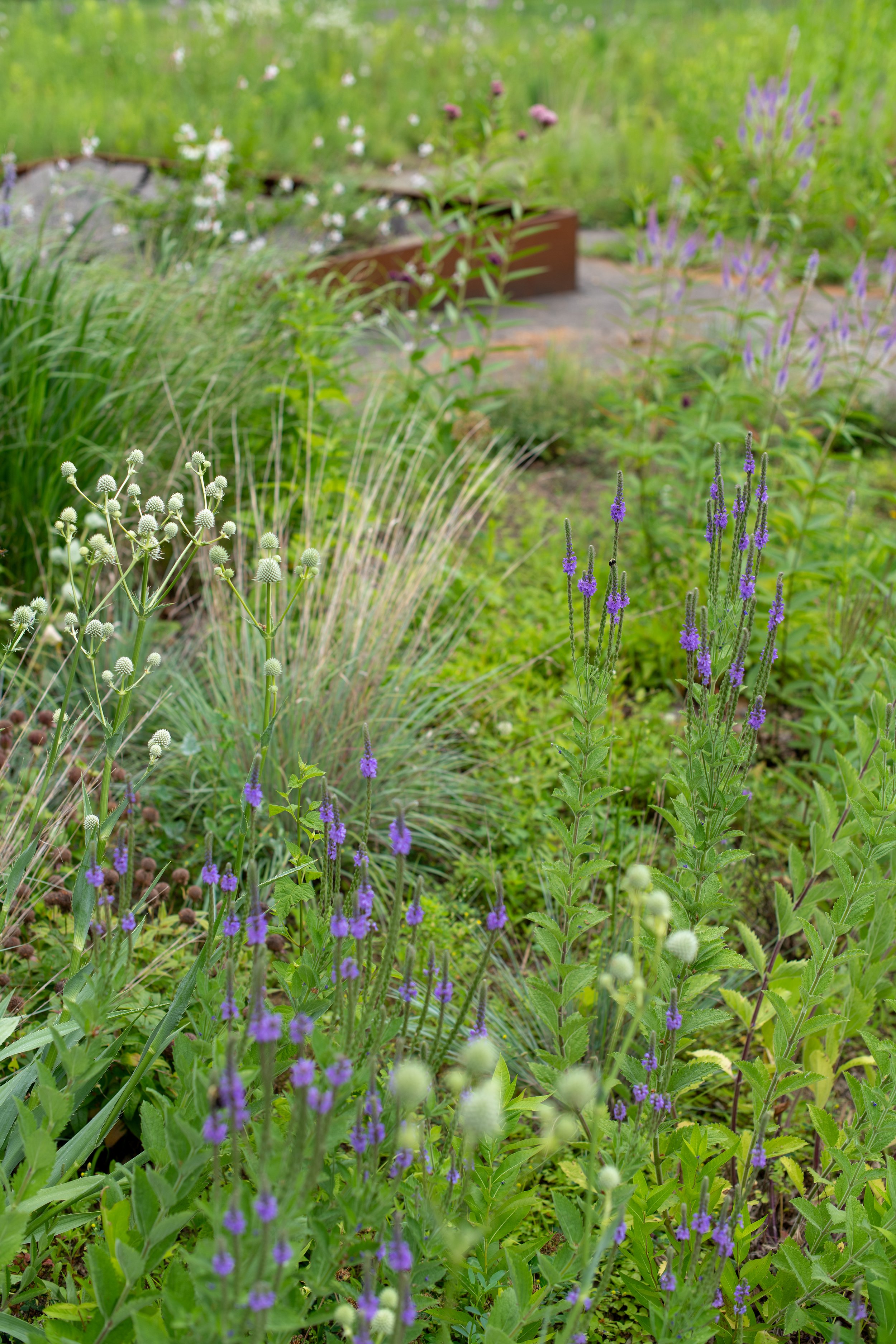
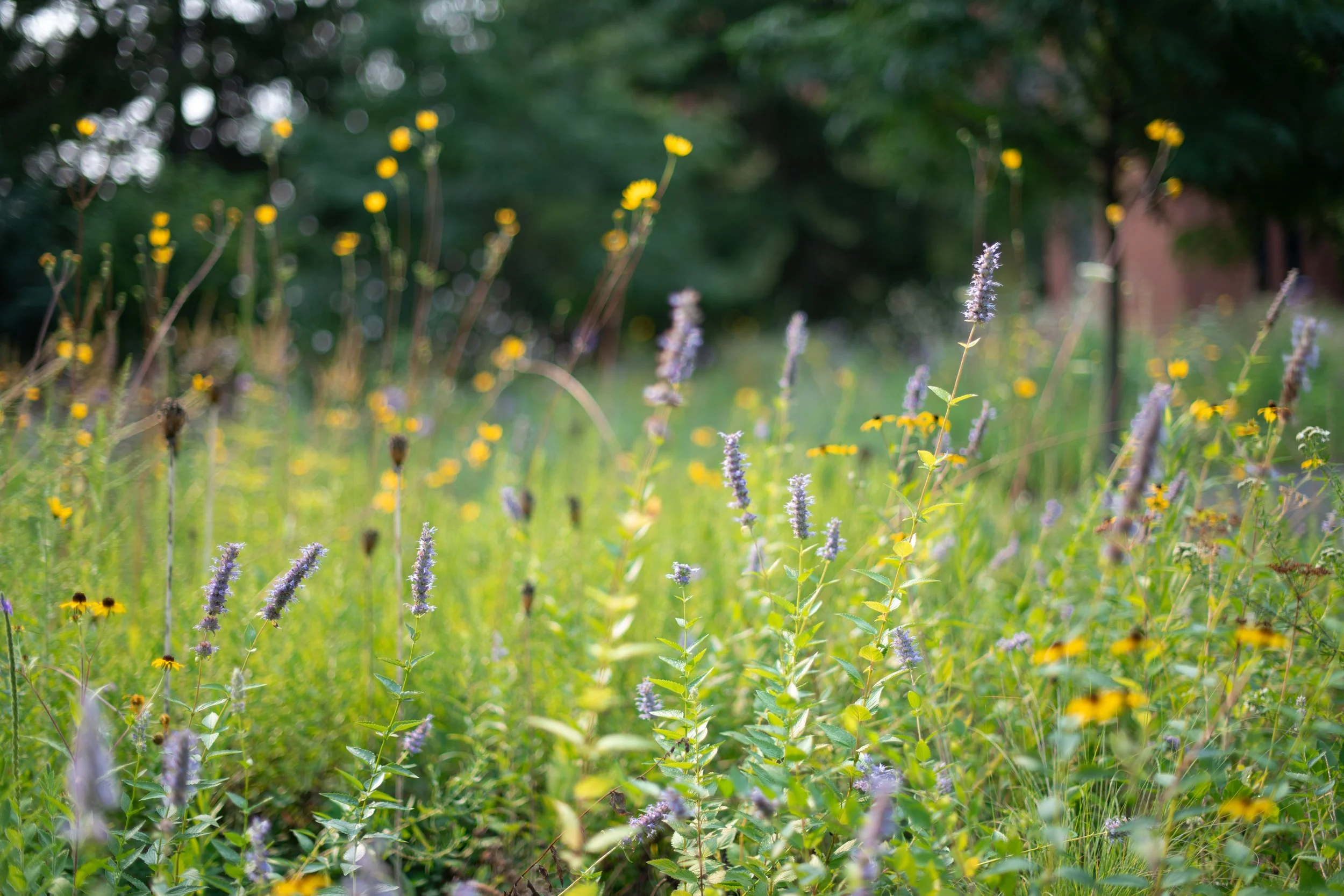
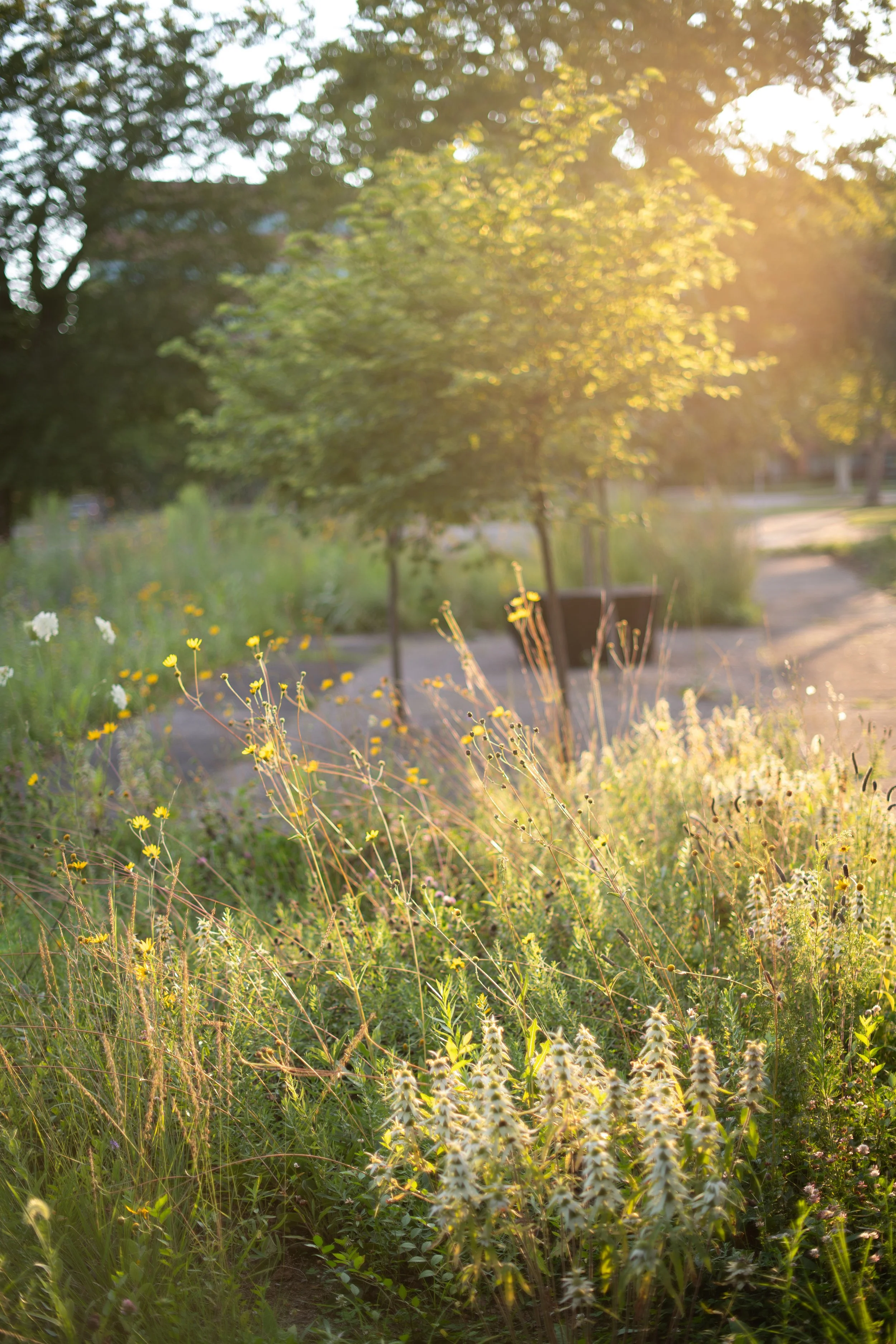
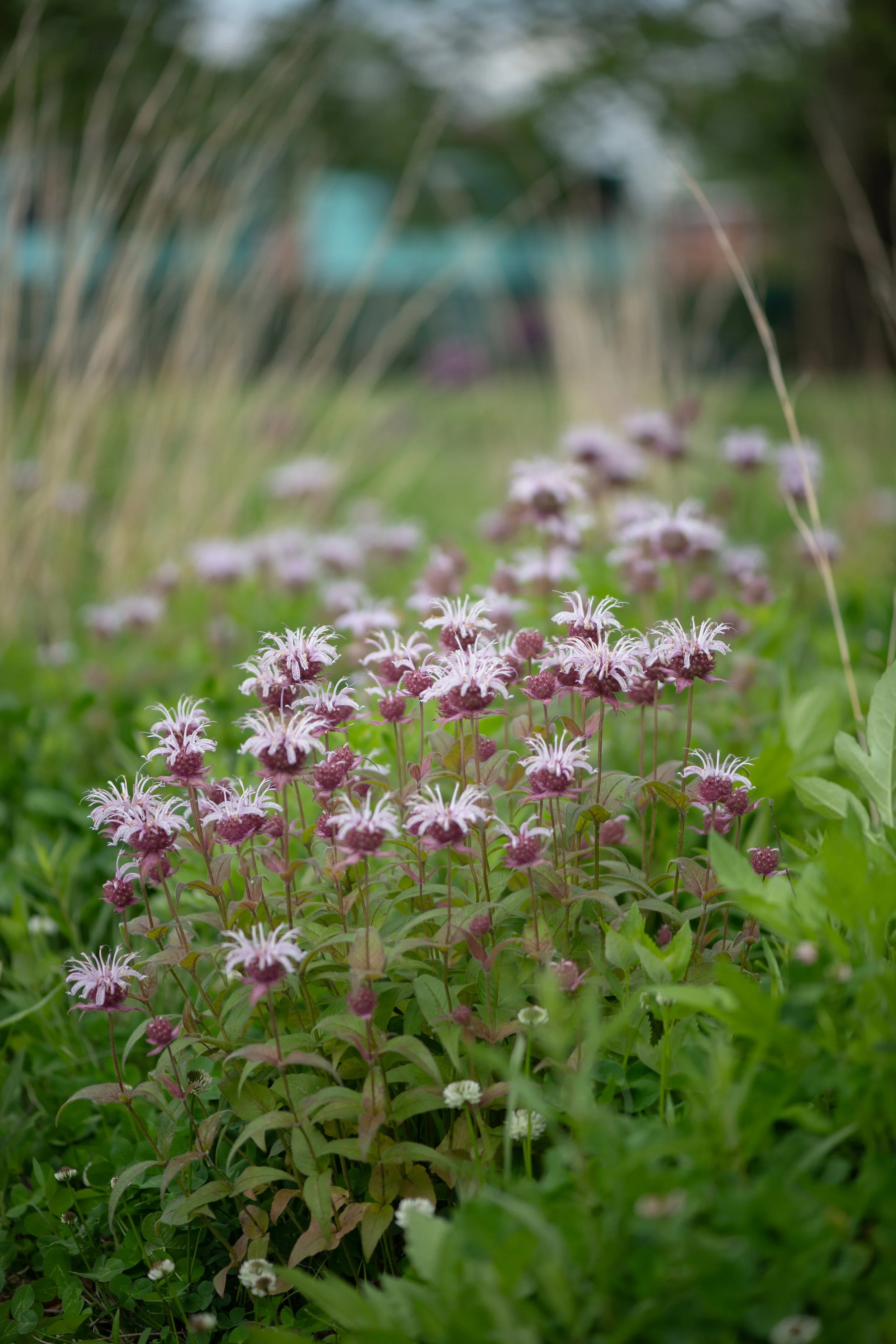
Over fifty species make up the community of plants on site. The bosques contain a collection of high and low-canopy drought tolerant trees, including Imperial honey locust (Gleditsia triacanthos 'Impcole'), American hornbeam (Carpinus caroliniana), and White bud (Cercis canadensis 'Alba').